
Putting the Auto Industry — and Local Communities — on the Road to Recovery
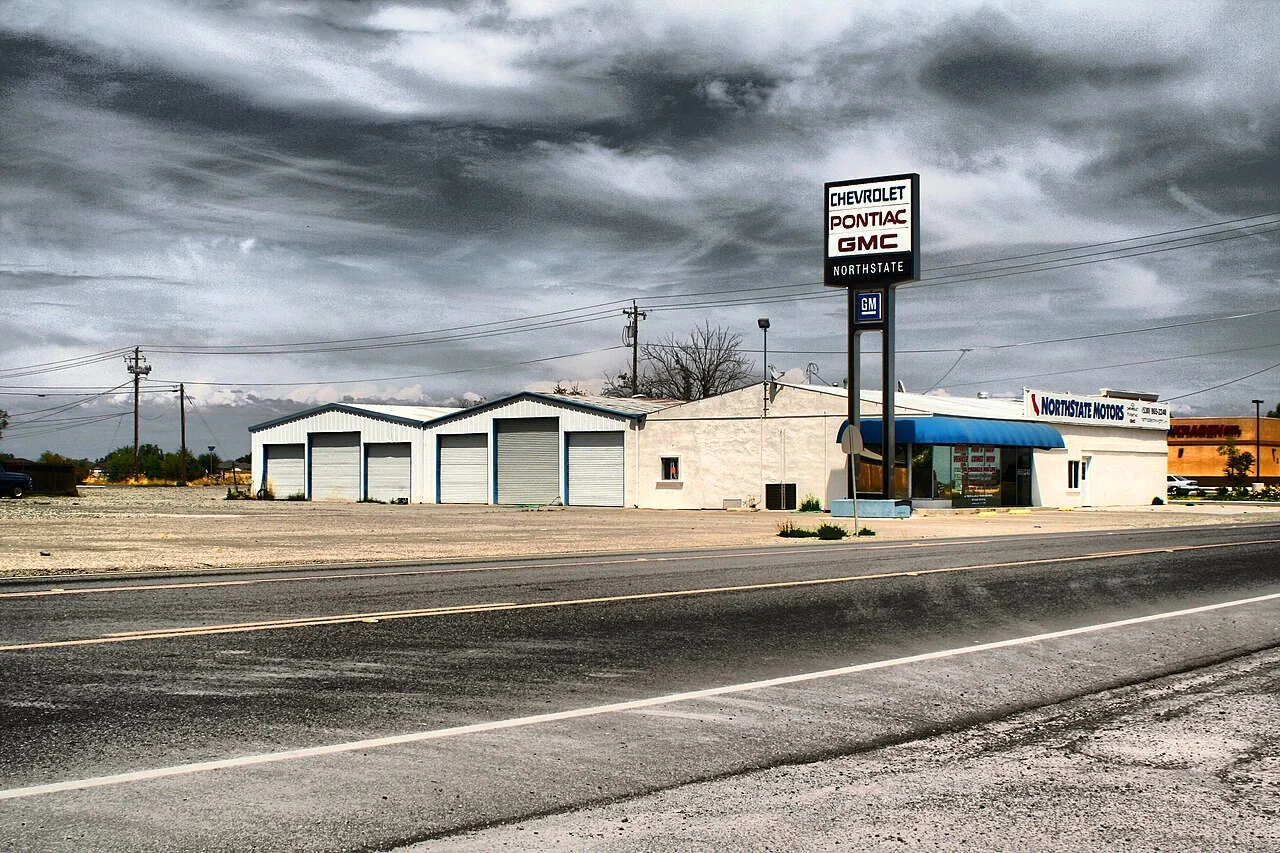
It’s hard to imagine America without the towering presence of the automotive industry. But during the 2008 global financial crisis, even giants like General Motors and Chrysler were on the brink. As GM’s then-President Fritz Henderson bluntly put it, “There is no plan B.”[1]
Desperate Times
The timing of the recession couldn’t have been worse. GM and Chrysler were already struggling with plummeting sales and shrinking market share.[2] The federal government, recognizing the ripple effects the collapse of the auto industry would have during a recession, stepped in via the Troubled Asset Relief Program (TARP). The government pledged to invest more than $80 billion — on the condition that both companies submit detailed restructuring plans to address their financial shortcomings.[3]
But it was too late — the Treasury Department determined they couldn’t achieve the necessary downsizing quickly enough. Only one option remained: In 2009, both GM and Chrysler filed for Chapter 11 bankruptcy.[4]
No Dealer Left Behind
The two companies closed a total of 2,789 dealerships with no clear means of recourse. Congress was now faced with a monumental task: Find a way to address thousands of potential disputes in a way that was efficient and trustworthy.
They didn’t have to look for long — the American Arbitration Association® quickly volunteered its services. After Congress passed the Consolidated Appropriations Act of 2010 in December 2009, the AAA® created the Automobile Industry Special Binding Arbitration Program (AISBA). Through AISBA, the AAA gave terminated dealerships across the nation a fast, fair, and expert-driven process for settling disputes related to their closures — without a traffic jam in the courts.[5]
A Purring Engine
The AAA had its work cut out for it. With a statutory timeframe of only seven months, there wasn’t a moment to waste. Luckily, the AAA’s innovative WebFile online resources allowed much of the process, including the selection of 75% of the program’s arbitrators, to be carried out electronically. It worked.[6]
During a time of extreme political and economic turmoil, AISBA resolved 1,575 cases on time and at no cost to taxpayers.[7]
A Fresh Coat of Paint
When government and commercial interests mix, things can get messy. AISBA was proof that the AAA and arbitration can deliver fairness at speed in times of crisis. When the American public was losing trust in its government and commercial institutions,[8] the AAA was able to provide a counterbalance, helping the nation get back on the road to recovery.
[1] GM, Ford, and Chrysler almost died a decade ago during the financial crisis — here's how the auto giants have changed since and https://www.washingtonpost.com/wp-dyn/content/article/2008/12/02/AR2008120201600.html