
How the AAA Revolutionized Case Management in the 1990s
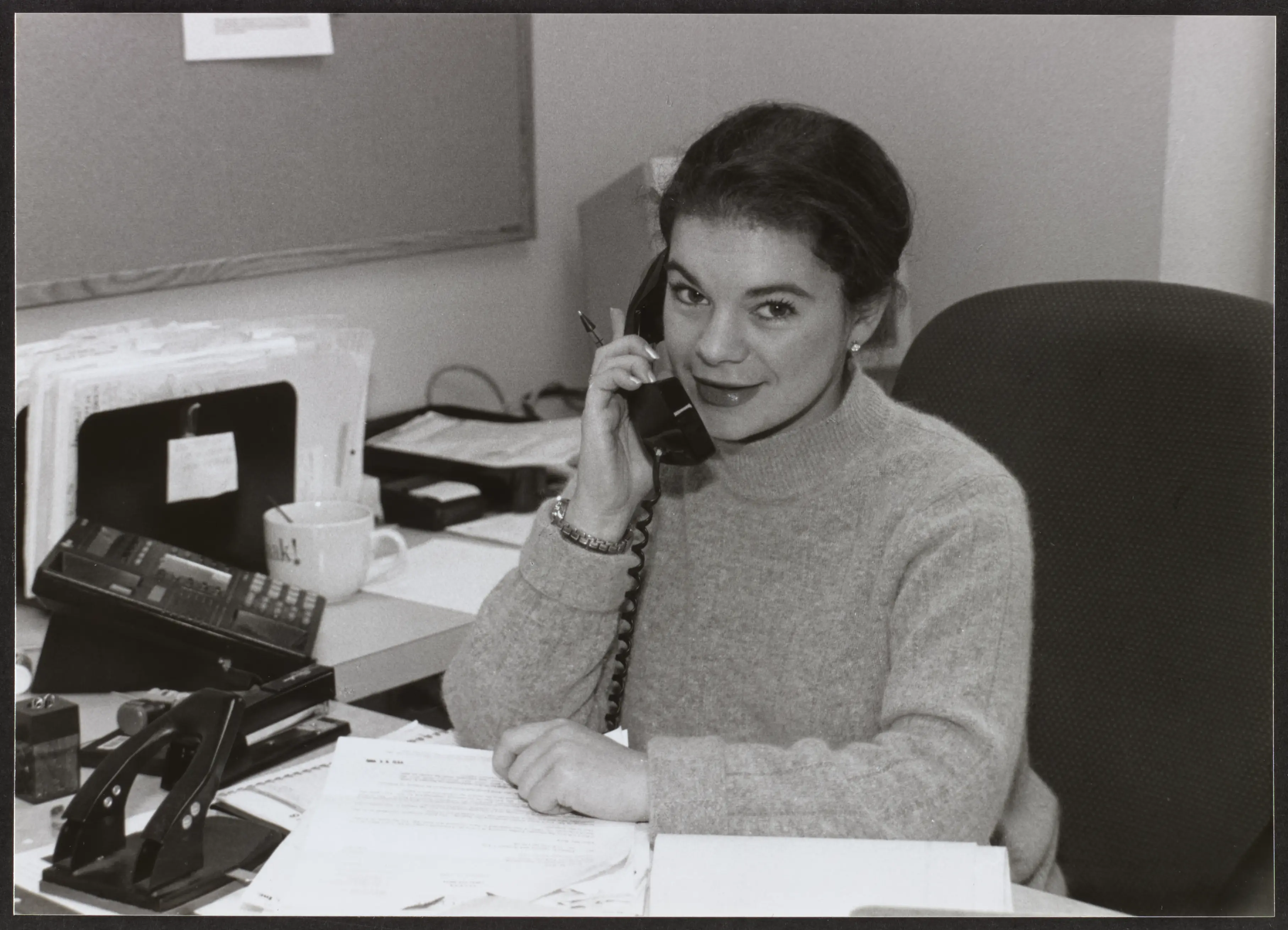
Great organizations tend to share a common trait: restlessness. Even when a system works, they ask how they can make it better. When circumstances shift, they reinvent how they deliver. That willingness to not only embrace but also invite hard change is what separates the great from the good. For many organizations, those moments of hard change come during times of upheaval — like the Great Recession or the COVID-19 pandemic. For the American Arbitration Association, that moment came in the 1990s with the launch of its Case Management Centers.
Early Adopters
By 1995, the AAA was doing things in ADR that few others had dared. It had a website, adr.org, and built a proprietary case management platform. “This was at a time when the internet was not that big yet — technology was not really a differentiator,” recalled Executive Vice President, Chief Operating and Revenue Officer Francesco (Frank) Rossi.[1]
These innovations later fueled the AAA’s ability to serve global markets and open its first offshore office in Dublin under its International Centre for Dispute Resolution. But first, it needed to prove that it could streamline case administration at home.[2]
Centralizing While Holding the Front Line
“We found that case administration simply had not been and could not be well done from 38 different locations,” said then-President William K. Slate.[3] So in 1996 the AAA made a bold decision: to concentrate case management services in regional centers, forever reshaping how it operated.[4]
At the time, regional offices were juggling everything: casework, sales, outreach, and presentations. Meanwhile, caseloads kept growing and employees needed training — and retraining. “It was a better kind of process to say, ‘At this point in time with the growth and how we were changing … we have to make sure what is being done is consistent,” recalled Senior Vice President of Dispute Resolution Services Christine Newhall, who spearheaded the transition.[5] The challenge for Newhall and her team lay in moving thousands of cases to a centralized location.[6] Dallas became the pilot project, followed by Atlanta, Fresno, and East Providence.[7]
The goal was not to close the regional offices but to support them, allowing parties to file and be heard locally while centralizing the administrative heavy lifting.[8] Equipped with advanced case-handling technology and highly trained case administrators, these case management centers allowed the AAA to deliver consistency and operational excellence while maintaining local panels of arbitrators and mediators.[9] It was a major, multiyear service enhancement program, delivering the benefits of scale without losing the connection to the local communities where the AAA’s customers lived.[10]
“I think it was hard on staff, but [we] expanded our staff,” Newhall said. “It’s one of those times where change was good, but you didn’t learn about how good it was until after it was finished. So it was important for us.”[11]
This restless pursuit of better, leveraging technology to create procedural consistency and efficiency, allows the AAA to focus on its clients’ needs and expand ADR to the communities and parties that need it most — then, now, and always.
[1] 2001 Annual Report page 3 section "A First Step Offshore"; Francesco (Frank) Rossi OH, 12:35
[2] 2001 Annual Report page 4 section "Putting the Final Stone in Place"; Francesco (Frank) Rossi OH, 12:35
[5] Christine Newhall OH, 56:13
[6] Christine Newhall OH, 58:20
[7] AAA Insider, February 2000 “Case Management System: Change is in the Air”; 2001 Annual Report page 4 section "Putting the Final Stone in Place"
[10] Christine Newhall OH, 56:13
[11] Christine Newhall OH, 58:35